
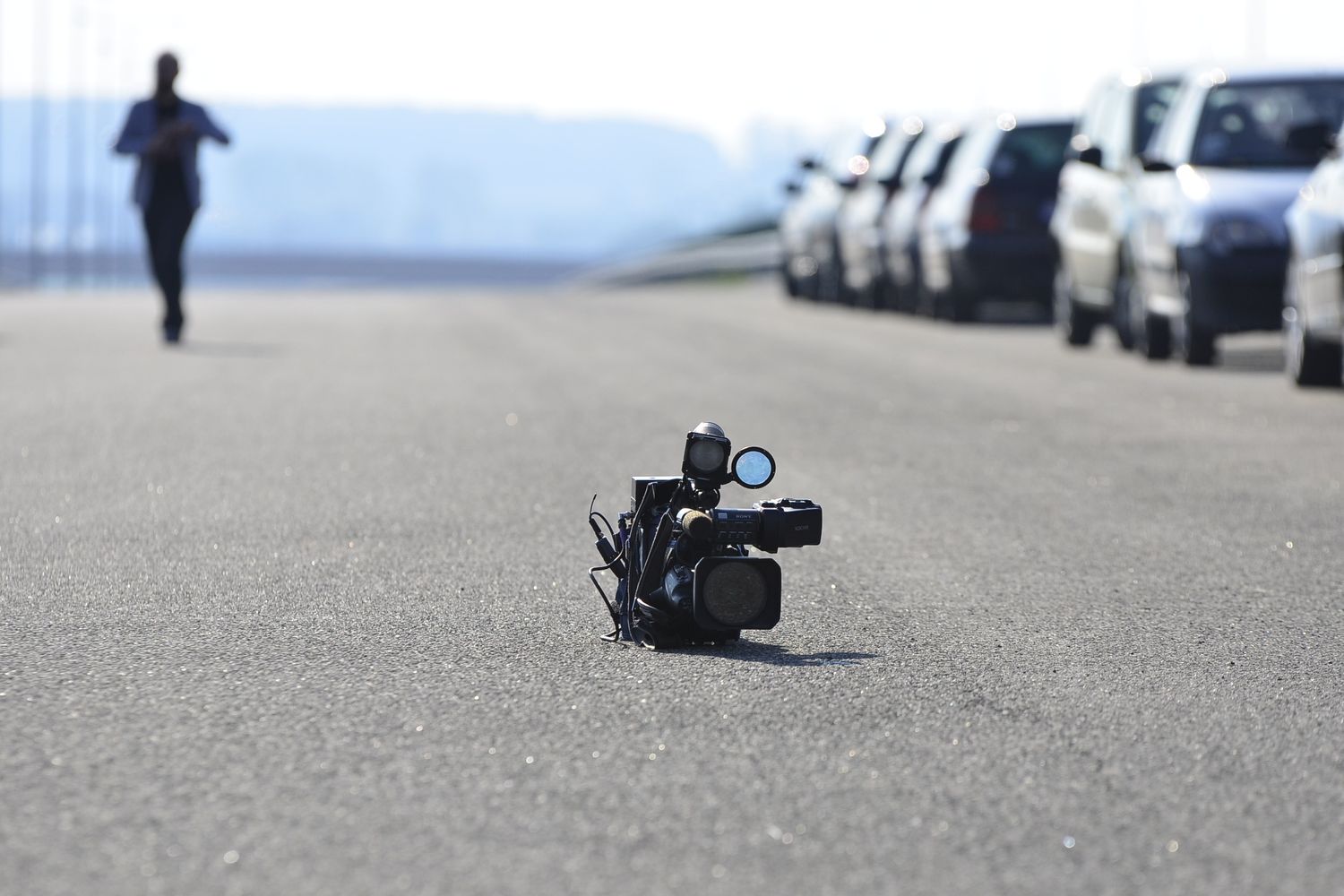
Do You Need a Permit to Film a Short Film in Los Angeles
What small productions should know before they roll camera
If you are making a short film in Los Angeles, the permit question comes up fast. The honest answer is that it depends on what you are doing, where you are doing it, and how much impact your shoot has on the space around you. Some very small shoots can stay simple. Others need paperwork, insurance, and a real plan.
The safest mindset is this: do not guess. Los Angeles is used to film production, but that does not mean every shoot can just show up and start rolling. If your project affects public space, parking, traffic, businesses, or safety, you may need approval before you film.
When a permit is more likely
If you are using public streets, sidewalks, parks, or city controlled property in a way that draws attention or interrupts normal use, a permit may be required. The same goes for larger crews, equipment setups, stunt like action, prop weapons, or anything that looks like it could affect public safety.
For actors and small teams, the confusion usually starts with scale. A tiny crew with one camera and no impact on the public is very different from a ten person setup with lights, stands, and locked off street space. Once your shoot starts to look official, the expectations around it usually change too.
Four smart steps before you film
1. Define the footprint. Know how many people, how much gear, and how much space you actually need. Smaller is often easier to manage.
2. Check the location early. A public sidewalk, a park, and a private business do not follow the same rules. Never assume one answer fits all.
3. Ask FilmLA or the property contact directly. If the shoot may need city approval, start that conversation before your dates are locked.
4. Keep your shoot respectful. Whether permitted or not, do not block access, surprise businesses, or create safety issues that can shut you down fast.
Do not build your shoot around hope
Hope is not a production plan. If your scene depends on a location that may require permission, handle that early. It is much easier to adjust on paper than on the day of the shoot.
This matters for actors too. If you are filming scenes for your reel or joining a short film to build footage, ask how the production is handling location use. A shoot that gets stopped halfway through does not help your reel. A well planned shoot gives you a better chance of walking away with usable material.
If your goal is better footage and stronger craft, the Mentoring Program can help you keep improving while you plan your next project. If you want more control over the final material, Produced Scenes can give you a cleaner path to footage built for your reel.
Los Angeles can be friendly to small productions, but the smart ones respect the process. Know your footprint, ask early, and keep the shoot simple enough to finish.
If you are unsure, simplify. Reduce the crew, cut extra gear, and choose a setup that blends in more naturally. Many problems disappear when the shoot gets smaller. And if the scene truly needs more support, give yourself enough lead time to handle the process the right way.
When in doubt, write the plan down and share it with the team. Everyone should know where they can stand, what gear is allowed, and who answers questions if someone asks what you are filming.
Plan the shoot so the footage survives the day
Build scenes with purpose and protect the material you want for your reel.