
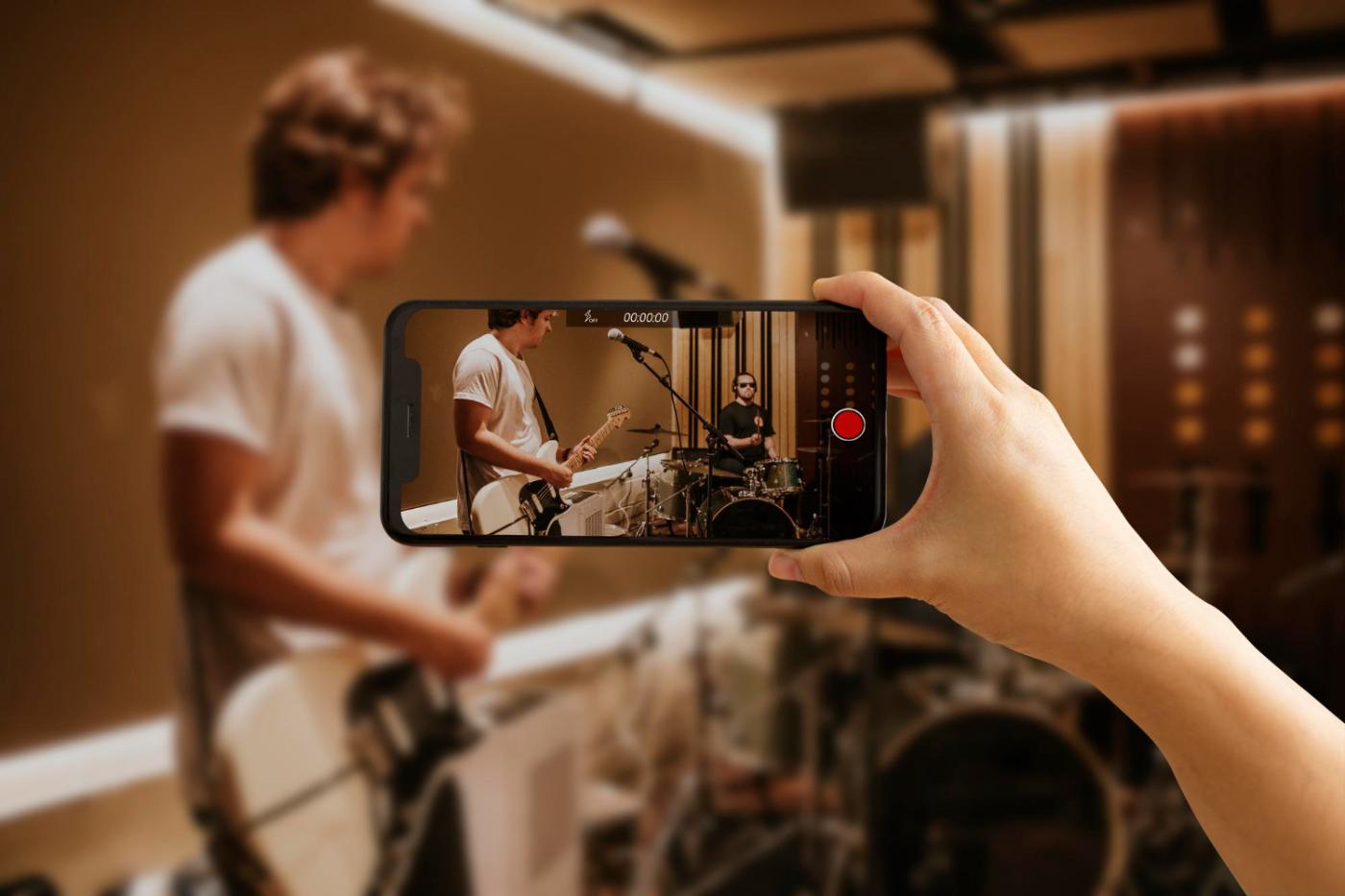
HOW TO GET A DEMO ACTING REEL
Every Path From Zero Footage to Professional Reel
The Footage Dilemma Every Actor Faces
You need a reel to get an agent. You need an agent to get auditions. You need auditions to book roles. You need booked roles to get footage for your reel. This circular trap frustrates every actor starting out. It feels impossible to break into the industry when every door requires the key that lies behind it. But actors solve this problem every day. You just need to know the legitimate paths available and choose the one that fits your timeline, budget, and current career stage.
Some actors spend years accumulating student film credits, hoping directors will eventually deliver usable footage. Others drain savings accounts on professional production before they are ready to compete at that level. The smart approach lies somewhere between these extremes. You need to assess your resources honestly, evaluate your training level, and determine how quickly you need professional footage. An actor who needs representation immediately to capitalize on a hot moment requires a different strategy than a recent graduate with time to build slowly.
This guide breaks down every legitimate method for acquiring acting reel footage. We will examine the free options that require patience, the budget options that compromise on quality, and the professional investments that pay immediate dividends. By understanding all four paths, you can make an informed decision about how to build your reel without falling into common traps that waste time and money.
THE FOUR PATHS TO FOOTAGE
Student Films:
Free participation, unpredictable timelines
DIY/Self-Tape:
Low cost, significant technical limitations
Professional Production:
Immediate quality, requires financial investment
Scene Partnerships:
Split costs with peers, coordination challenges
Most successful actors combine multiple methods over time
The Student Film Strategy: Playing the Long Game
Student films represent the traditional entry point for new actors seeking footage. Film schools at NYU, USC, UCLA, AFI, and Columbia constantly need talent for thesis projects. The work is typically unpaid, but you receive footage and a copy of the finished film for your reel. This path sounds straightforward, but it requires significant patience and a tolerance for uncertainty.
Finding these opportunities requires diligence. You must monitor casting notices on Backstage, Actors Access, and Facebook groups dedicated to student filmmaking. Look specifically for MFA thesis films rather than undergraduate projects. Thesis films usually have better production values because the director is graduating and needs professional work for their own portfolio. Undergraduate projects vary wildly in quality. You might arrive on set to find professional equipment and a serious crew. You might also find a single camera operator who forgot to charge batteries.
The bigger challenge is timeline. You shoot the project in March. The director spends April and May editing for their graduation deadline. They submit to festivals and request you not share the footage publicly yet. By the time you receive your clips, nine months have passed. If you need a reel now to apply for agent meetings or a sudden casting opportunity, student films cannot help you. They are a long game strategy, not an immediate solution.
✅ STUDENT FILM ADVANTAGES
- Zero cost to participate
- Real set experience and protocol learning
- Networking with emerging filmmakers
- Potential festival circuit exposure
- IMDb credit building for resume
- Opportunity to practice on-camera technique
❌ STUDENT FILM DRAWBACKS
- 3-9 month wait for footage is standard
- Unpredictable quality control
- No guarantee you will receive usable files
- Cannot choose scenes that showcase your type
- May not highlight your strengths as an actor
- Directors may prioritize their vision over your reel needs
The DIY Self-Tape Method: Emergency Footage
If you need footage immediately, you can grab your iPhone and a ring light and shoot today. This method works best for actors who already have training and simply need something to submit while building better material. It does not replace professional production, but it fills the gap between having nothing and having professional scenes.
Here is what you need for basic self-tape footage: an iPhone 14 Pro or newer (for 4K quality), a basic ring light from Amazon (approximately $30), a neutral background (gray or blue wall works well), and a quiet room with controllable light. Position the camera at eye level. Use the back camera rather than the selfie camera for better resolution. Record in 4K at 24 frames per second for a cinematic look.
The limitations of DIY footage are obvious and significant. You are limited to your apartment or available spaces. The lighting looks flat without professional equipment. The audio picks up street noise, refrigerator hum, and neighbor conversations. Casting directors can spot self-taped footage instantly. It serves as a temporary placeholder, not a permanent career solution. Use this method to get something on your Actors Access profile or to submit for student films, but start planning professional production immediately.
Professional Production: The Investment Strategy
Companies like JIG Reel Studios exist because sometimes you need footage now, and you need it to look professional. This is the fastest path to a competitive reel. You book a consultation, discuss your casting type and career goals, get custom scenes written specifically for your brand, shoot with professional equipment and direction, and walk away with edited clips in a matter of weeks.
The investment ranges from $1,200 for a basic single scene package up to $5,000 or more for comprehensive career packages with multiple scenes, mentoring, and ongoing support. That sounds like significant money until you calculate the cost of waiting. If amateur footage prevents you from getting an agent for six months, you lose six months of potential auditions. If professional footage gets you signed with an agent who submits you for co-star roles paying $800-1,200 per day, the math works out quickly in your favor.
Professional production gives you control that other methods cannot match. You choose the scenes that showcase your strengths. You choose the wardrobe that flatters your type. You choose the genre that aligns with your career goals. You are not waiting for a student director to finish editing. You are not limited to your apartment lighting. You get cinematic quality that opens doors immediately.
Typical turnaround for professional production
Industry standard quality
Over scene selection and branding
Scene Partnerships: The Collaborative Approach
If full professional production feels financially out of reach, consider partnering with other actors to split costs. Find two or three actors at your career level who have similar needs. Pool your resources to hire a cinematographer for a day. Everyone gets scenes shot, and you split the location rental, equipment costs, and crew fees four ways.
This approach requires significant organization. You must agree on a cinematographer whose work you all trust. You must rent a location that works for everyone’s scenes (or use someone’s suitably professional apartment). You must coordinate schedules, which is notoriously difficult with actors. Someone needs to write the scenes or hire a writer. Someone needs to handle editing or hire an editor. But if you have a tight-knit group from acting class, this can reduce your individual costs by 60-75% while still delivering professional quality.
The downside is coordination risk. You are relying on your peers to deliver their parts of the project. If the editor drops out, if the footage gets lost, if one actor flakes on payment, the entire project stalls. But for actors with more available time than disposable income, this hybrid approach works well as a bridge to full professional production.
| Method | Cost Range | Timeline | Quality Level | Best For |
|---|---|---|---|---|
| Student Films | Free | 3-9 months | Variable/ unpredictable | Patient beginners with time |
| DIY/Self-Tape | $0-200 | Immediate | Amateur | Emergency placeholder only |
| Scene Partnerships | $300-800 | 1-2 months | Semi-Pro to Professional | Budget-conscious actors with networks |
| Professional Production | $1,200-5,000+ | 2-4 weeks | Professional/ Industry Standard | Serious career builders |
2026 Editing Trends and Technical Requirements
Once you have footage, you need professional editing to turn it into a reel. The standards have shifted significantly. Casting directors want reels under 90 seconds now. Attention spans have shrunk to almost nothing. You must hook them in the first five seconds or they click away. This means starting with your strongest clip immediately, not with a fancy title card.
Vertical video has become essential for social media reels. Instagram and TikTok prioritize 9:16 aspect ratio content. If you only have horizontal footage, you are missing significant opportunities for discovery. Make sure your editor provides both horizontal and vertical versions of your scenes. The vertical versions should be specially composed, not just cropped from the horizontal frame.
AI-assisted editing has sped up turnaround times dramatically. What used to take a week now takes 48 hours. Auto-captions, silence removal, and rough assembly are now standard. However, do not let speed compromise quality. Your reel is your calling card. It deserves the attention of a human editor who understands pacing, emotional beats, and casting director psychology.
Making the Decision: Which Path Is Right for You?
Choose student films if you are early in your training, have limited funds, and have time to wait for footage. This path builds experience and credits but requires patience.
Choose DIY self-taping if you need something immediately for a specific opportunity and cannot wait for professional production. Use this as a temporary bridge, not a permanent solution.
Choose scene partnerships if you have actor friends with similar goals, organizational skills to coordinate the project, and limited budget but some funds available.
Choose professional production if you are ready to compete seriously for representation and professional roles, if you have completed substantial training, and if you understand that this is an investment in your career infrastructure.
Maximizing Whatever Path You Choose
If you go the student film route, be selective. Only work on projects with professional equipment and serious directors. Ask to see their previous work before committing. Get a written agreement about footage delivery timelines.
If you self-tape, invest in the best equipment you can afford. A $30 ring light makes a significant difference. Learn basic editing software so you can cut your scenes professionally.
If you partner with other actors, get agreements in writing. Who pays for what? Who owns the footage? Who handles editing? Clear communication prevents ruined friendships and stalled projects.
If you choose professional production, prepare thoroughly. Know your casting type. Bring wardrobe options. rehearse your lines so you can focus on performance, not memorization. Take advantage of every consultation offered.
READY TO BUILD YOUR PROFESSIONAL ACTING REEL?
JIG Reel Studios offers free consultations to help you determine the best path for your specific situation, timeline, and budget.
Getting acting reel footage requires strategy and action, not just hope and waiting. Whether you choose the slow accumulation of student films, the budget-conscious collaboration of scene partnerships, the temporary fix of DIY footage, or the immediate impact of professional production, the key is making a decision and executing it. At JIG Reel Studios, we help actors at every stage of this journey. We offer honest assessments of whether you are ready for professional production or whether you should pursue other paths first. Our goal is your long-term success, not just selling you a service. When you are ready to invest in professional footage that opens doors, we provide the custom writing, cinematic production, and career support that transforms actors from hopeful beginners to working professionals.